5 Smart Tips for a Successful Kitchen Remodeling Project
Remodeling your kitchen can feel overwhelming, but it doesn’t have to be. Whether you’re updating outdated cabinets or completely redesigning the layout, a well-planned renovation can transform your space and add real value to your home. This guide walks you through five practical strategies to help you tackle your kitchen remodel with confidence and avoid common pitfalls along the way.
- Work with Experienced Local Professionals
Finding the right contractor can make or break your remodeling project. Kitchen Remodel Masters Houston brings years of hands-on experience to homeowners throughout the Houston area, handling everything from design consultation to final installation. Their team works closely with clients to understand their vision, budget, and timeline before any work begins.
What sets them apart is their commitment to clear communication and quality craftsmanship. They manage all aspects of the renovation, including permits, plumbing, electrical work, and custom cabinetry. This full-service approach means you have one reliable point of contact instead of juggling multiple contractors. For Houston homeowners ready to remodel their kitchen, working with a trusted local company like Kitchen Remodel Masters Houston can save both time and stress.
- Set a Realistic Budget and Stick to It
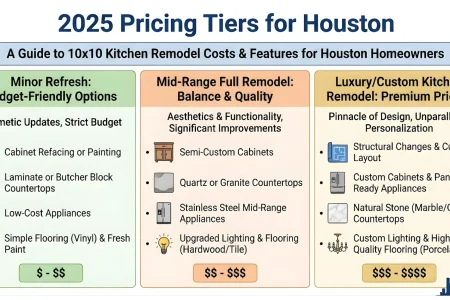
Before you start tearing out cabinets or picking out tile, you need a clear budget. Kitchen remodels can range from $15,000 for basic updates to $75,000 or more for high-end renovations. Be honest about what you can afford and build in a 10 to 15 percent cushion for surprises.
Break down your budget by category. Cabinets typically eat up 30 to 40 percent of the total cost, while appliances, countertops, and labor each take their share. Knowing where your money goes helps you make smart trade-offs. Maybe you splurge on that farmhouse sink but save by refinishing existing cabinets instead of replacing them. Track every expense as you go, and resist the urge to add extras that weren’t in your original plan.
- Plan Your Layout for Function, Not Just Style
A beautiful kitchen that doesn’t work well will frustrate you every day. Start by thinking about how you actually use your space. Do you need more counter area for meal prep? Is the distance between your stove, sink, and refrigerator awkward? The classic work triangle still holds up because it minimizes steps and keeps cooking efficient.
Consider traffic flow, especially if multiple people cook at once or if your kitchen opens into a dining or living area. Islands can add valuable workspace and storage, but they need at least 42 inches of clearance on all sides to avoid feeling cramped. Walk through your current kitchen during meal prep and note what annoys you. Those pain points should guide your new layout more than any design trend.
- Choose Durable Materials That Match Your Lifestyle
Not all countertops, flooring, and finishes are created equal. If you have kids or entertain often, you need surfaces that can handle spills, scratches, and daily wear. Quartz countertops resist stains better than marble and require less maintenance. Luxury vinyl plank flooring looks like hardwood but stands up to moisture and dropped pans.
Think about upkeep too. High-gloss cabinet finishes show every fingerprint, while matte or satin finishes hide smudges. Stainless steel appliances are classic but need constant wiping. Black stainless or slate finishes offer a modern look with less visible streaking. Choose materials you can live with long-term, not just what looks good in a magazine. Your kitchen should work for your real life, not an idealized version of it.
- Time Your Remodel to Minimize Disruption
A full kitchen remodel typically takes six to twelve weeks, depending on the scope. During that time, you’ll be without a functional cooking space. Planning ahead can make this period much more bearable. Set up a temporary kitchen in another room with a microwave, toaster oven, and mini fridge. Stock up on paper plates and simple meals that don’t require much prep.
If possible, schedule your remodel during a season when you can grill outside or when your schedule is less hectic. Avoid major holidays or times when you’re hosting guests. Talk with your contractor about the sequence of work so you know when the most disruptive phases will happen. Some homeowners move out for a week or two during demolition and major construction. Whatever you decide, having a clear timeline and backup plan will help you stay sane while your kitchen is out of commission.
A kitchen remodel is a significant investment, but with careful planning and the right team, it can dramatically improve how you use and enjoy your home. Focus on what matters most to you, whether that’s better storage, modern appliances, or simply a space that feels more inviting. Take your time with decisions, do your research, and don’t be afraid to ask questions. Your kitchen is the heart of your home, and getting it right is worth the effort.